

Lili Dujourie
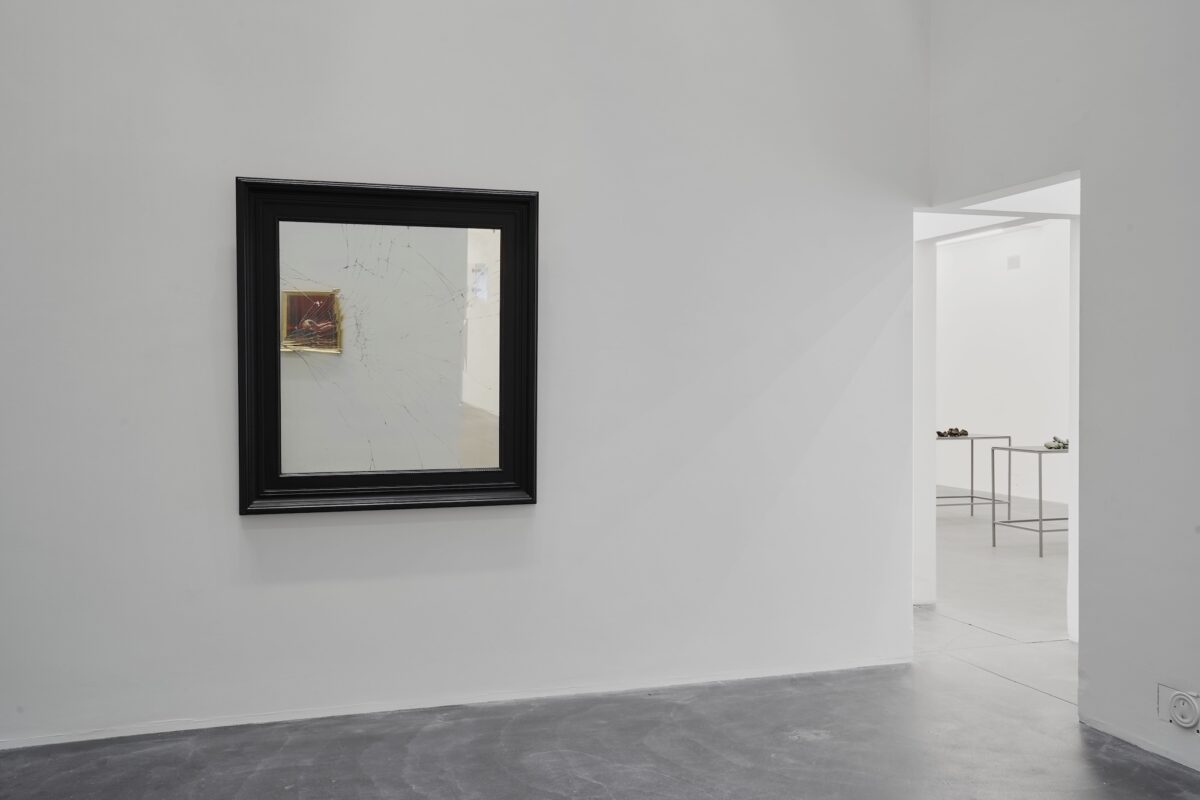
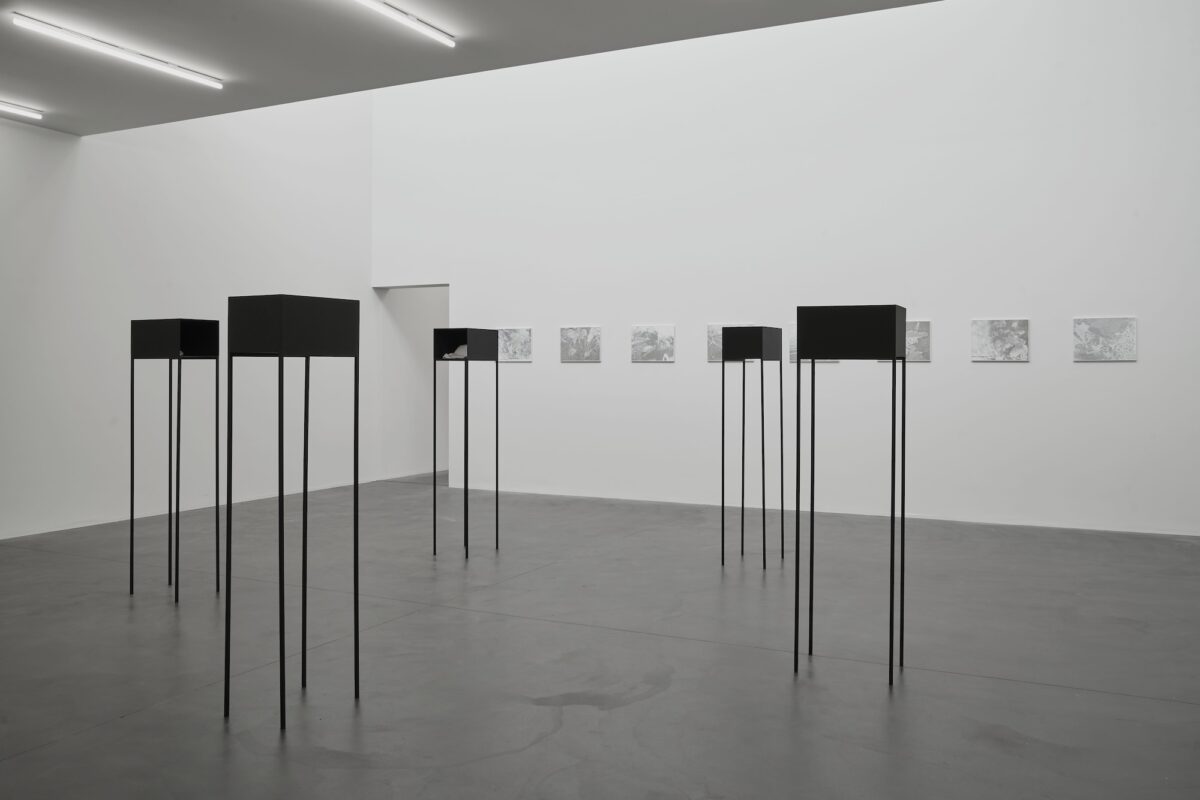
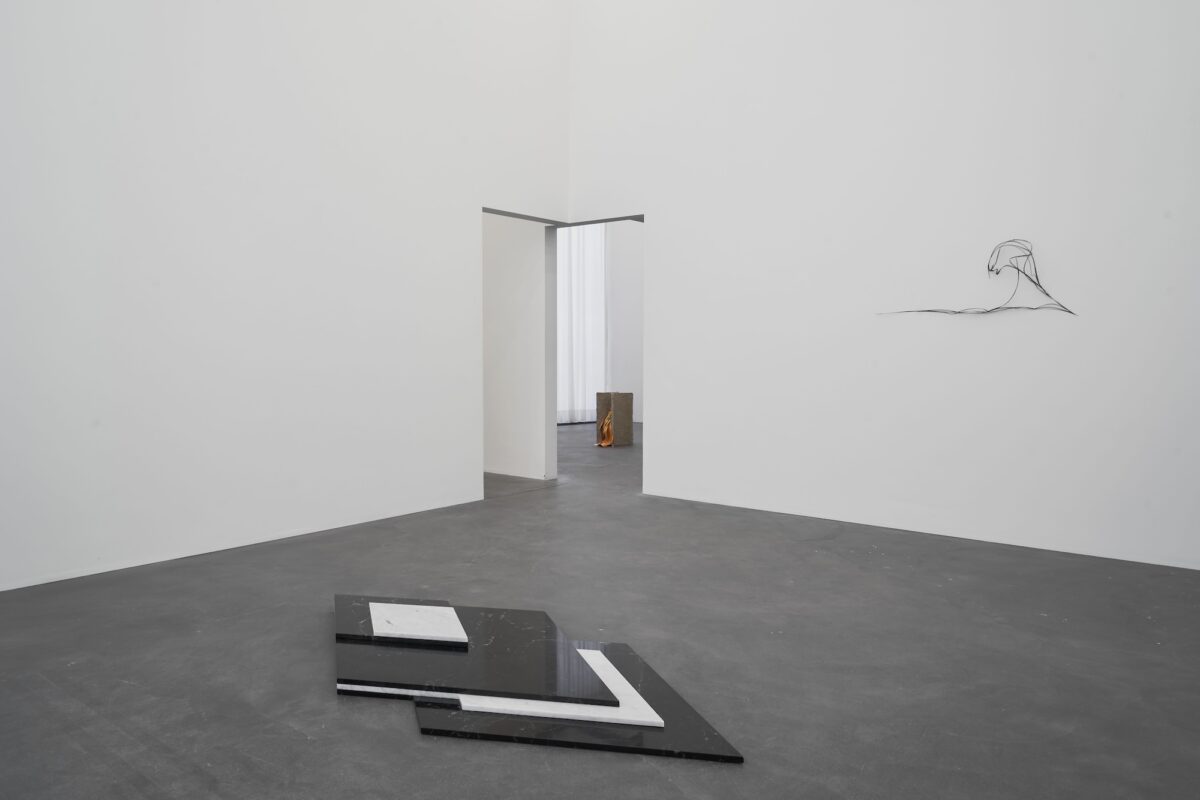
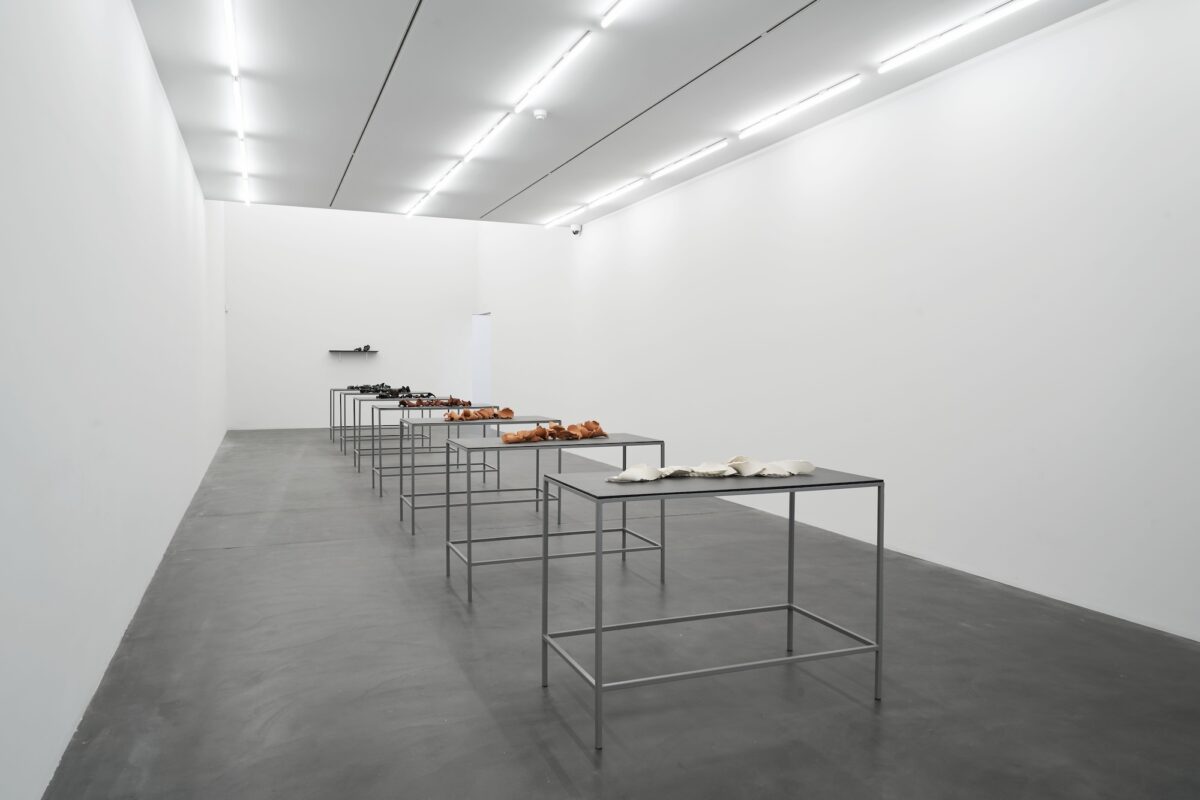
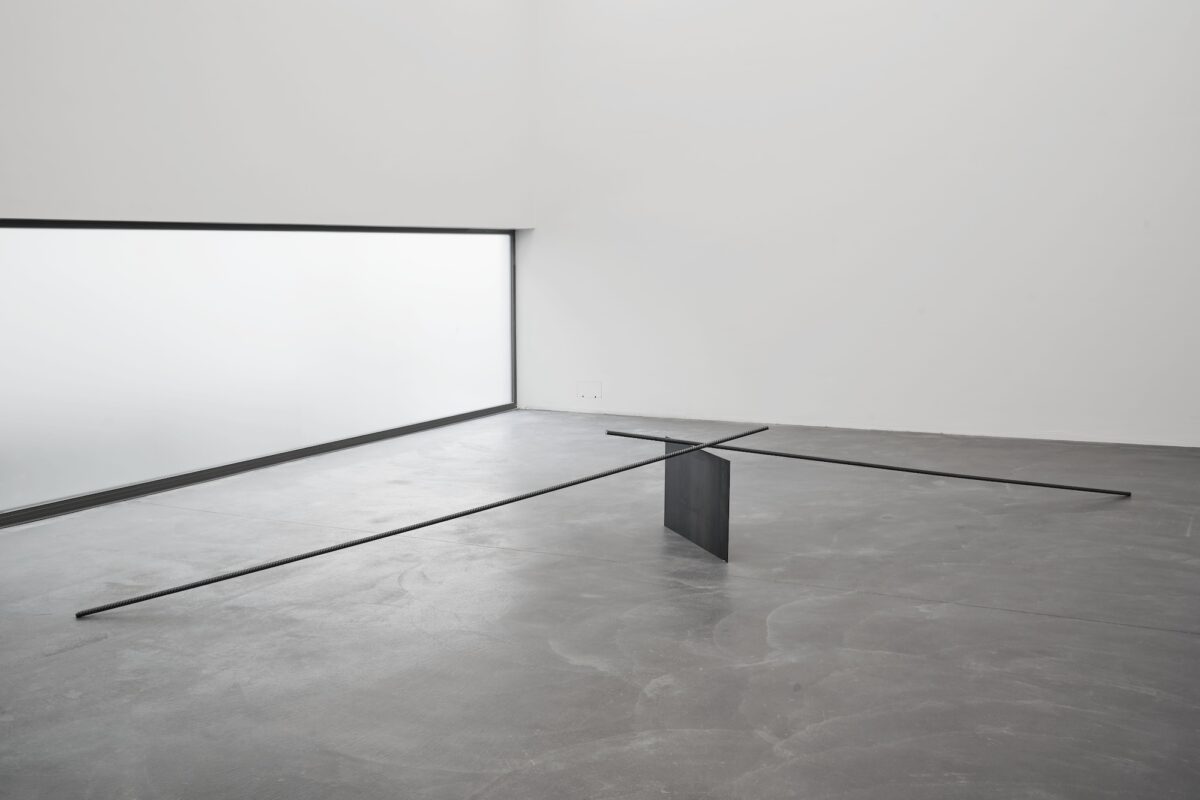
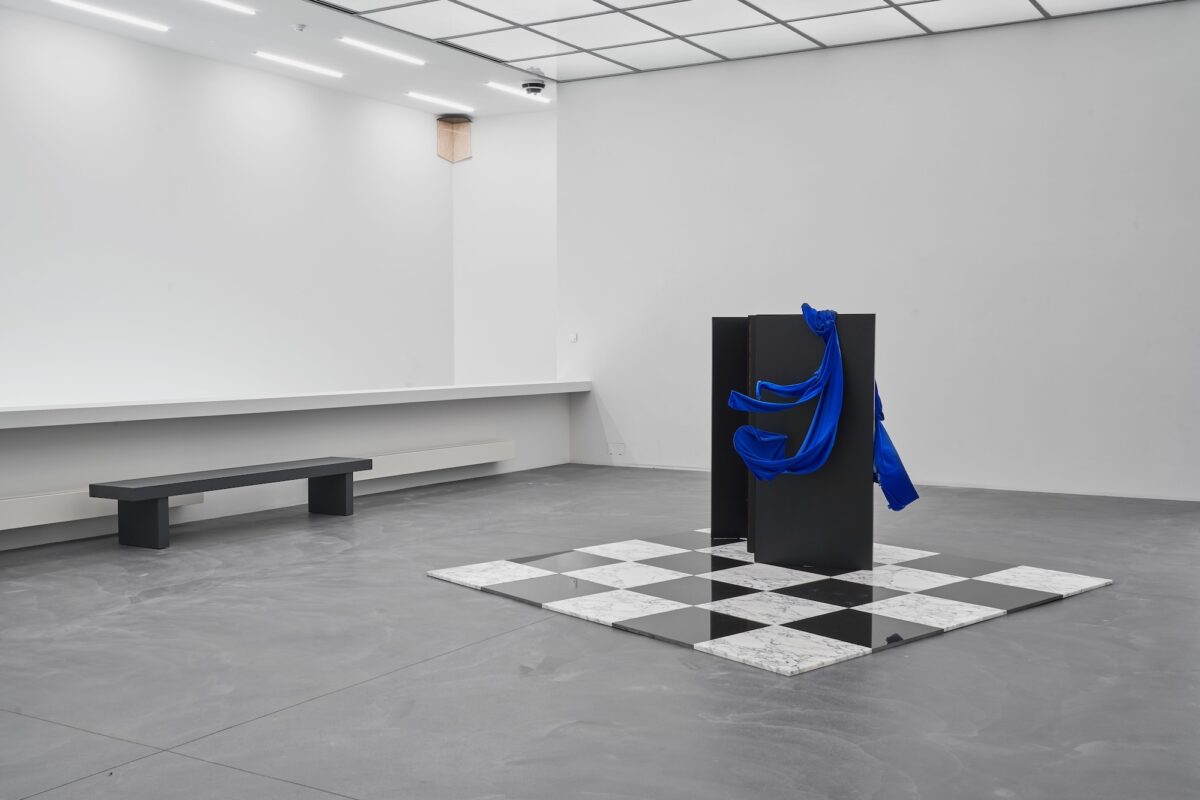
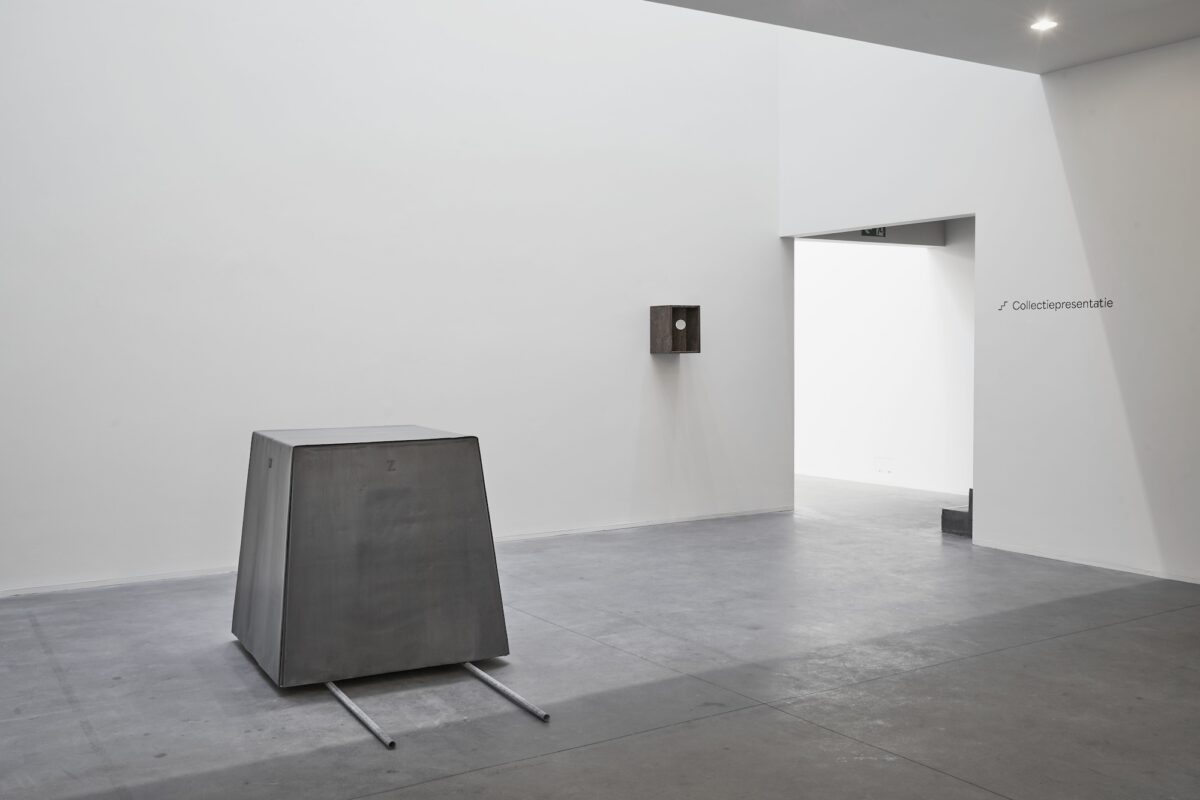
For the first time in more than ten years, a major solo exhibition by Lili Dujourie (1941) is on view in Belgium, at the Roger Raveel Museum. This exhibition brings together a selection of works by Dujourie from various periods in her career. It is not a retrospective, but an encounter with an oeuvre in which time and stillness take centre stage.
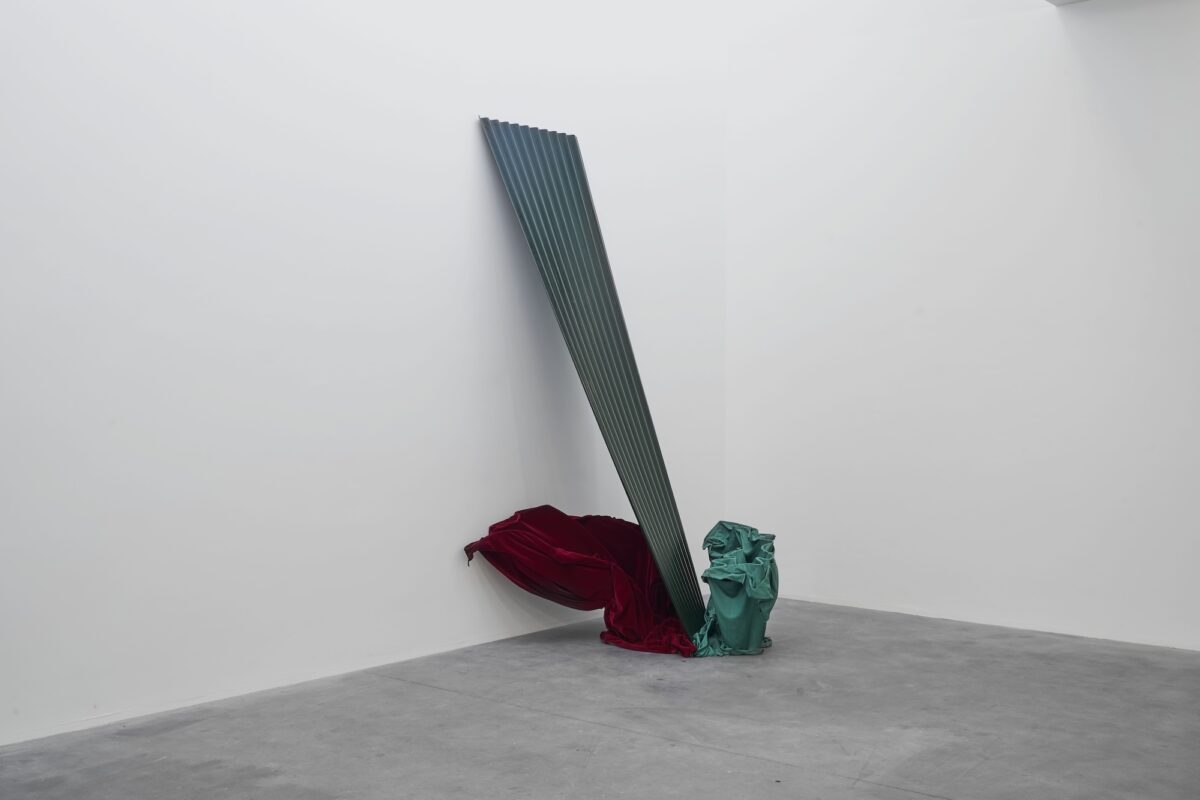
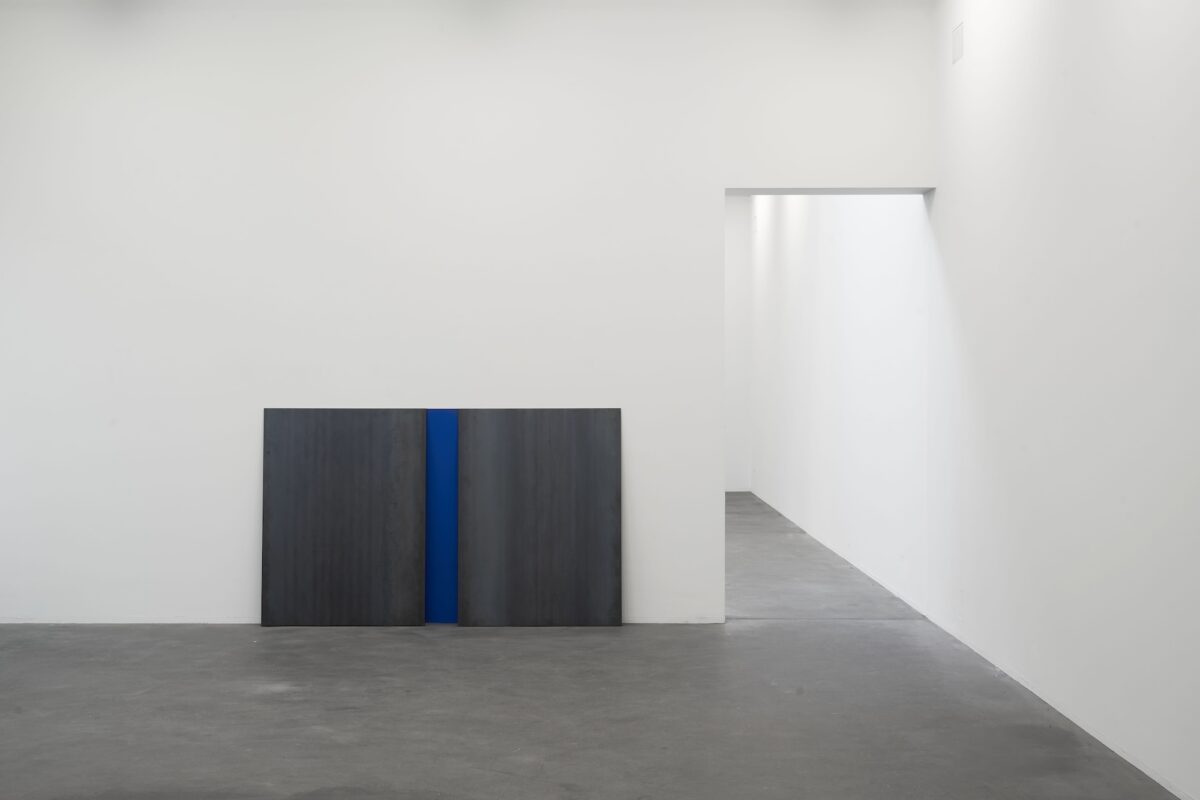
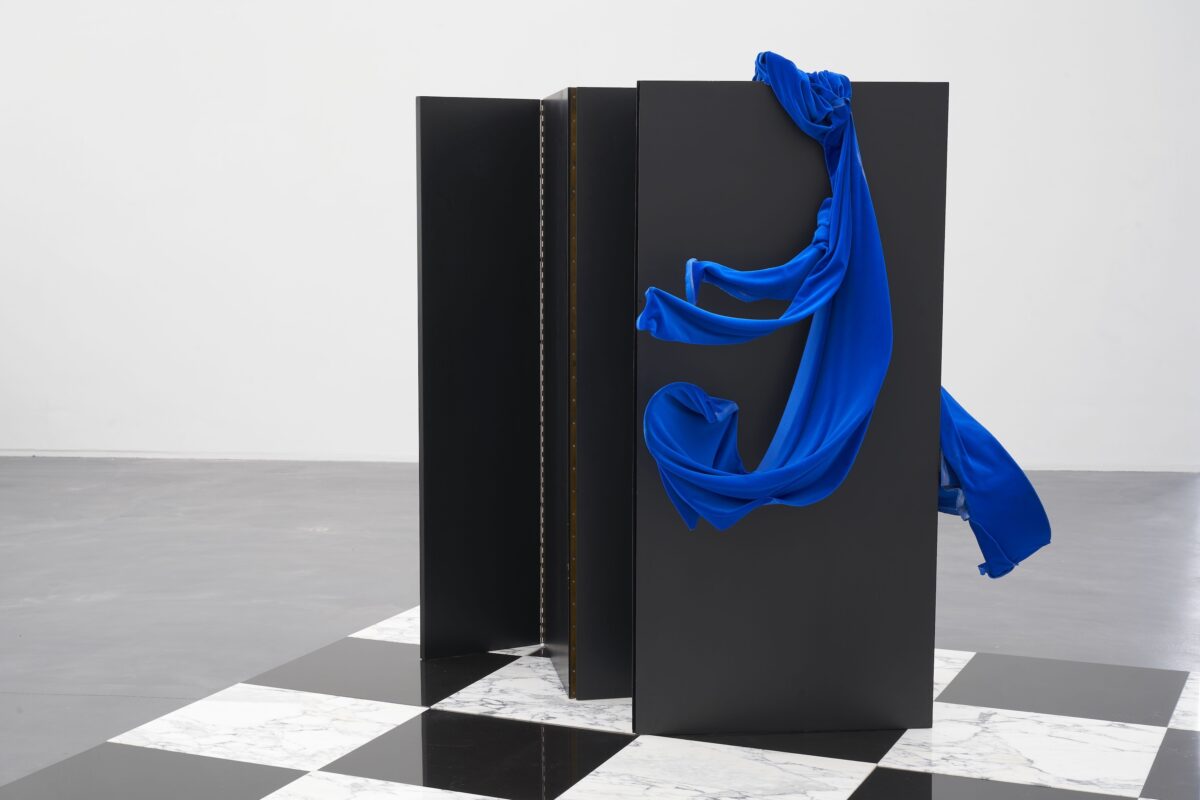
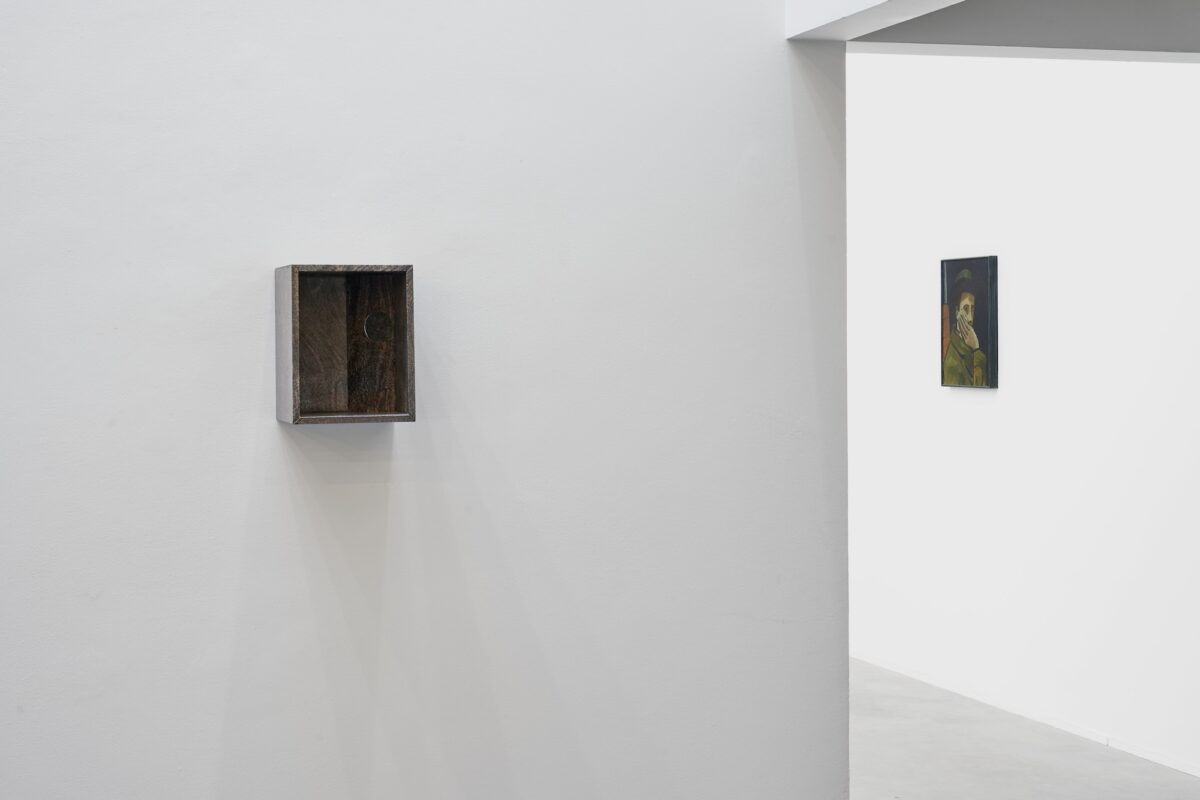
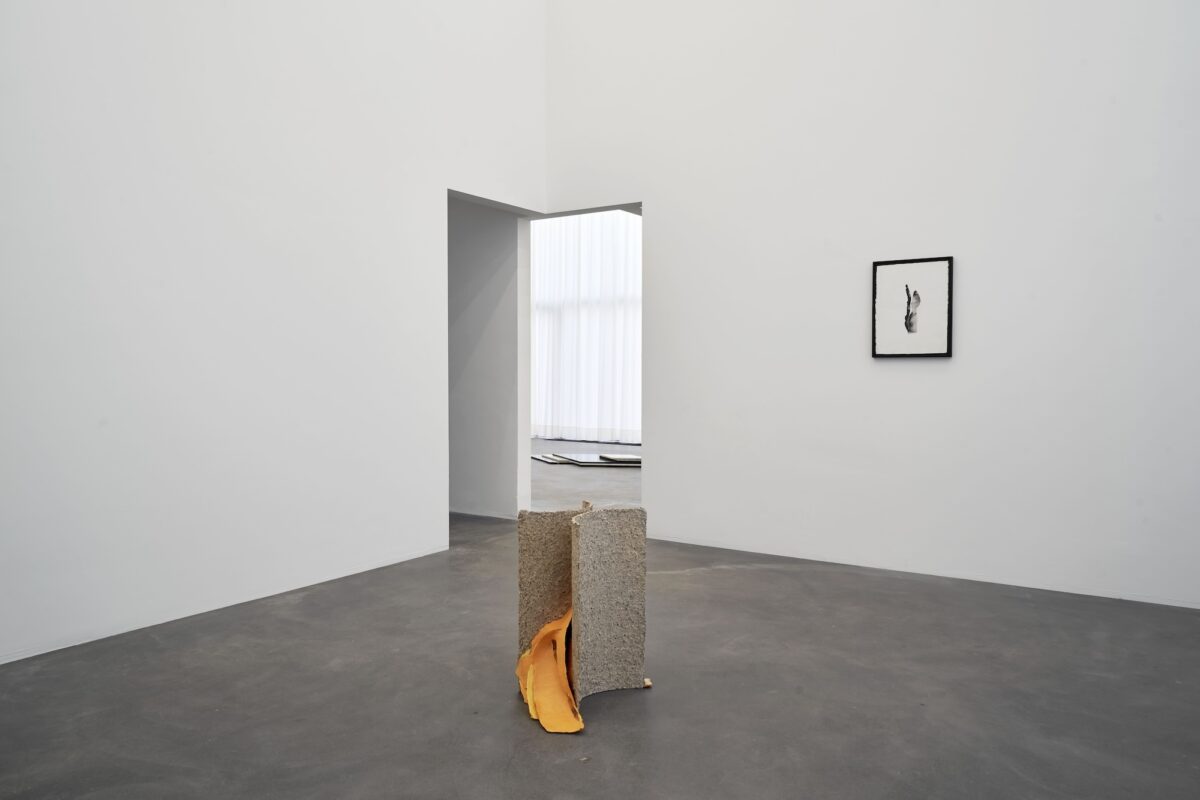
Since the late 1960s, Dujourie has been exploring the relationship between the body, space, matter and image. Her work spans installation and sculpture, photography, video and collage. The veiled volumes, cryptic images and fragmentary forms unite opposites: softness and hardness, revelation and concealment, presence and absence. Many works seem to turn away from the gaze. They reveal themselves, yet at the same time retain something closed off, something unattainable. Their sensuality lies not in what is revealed, but in what remains hidden.
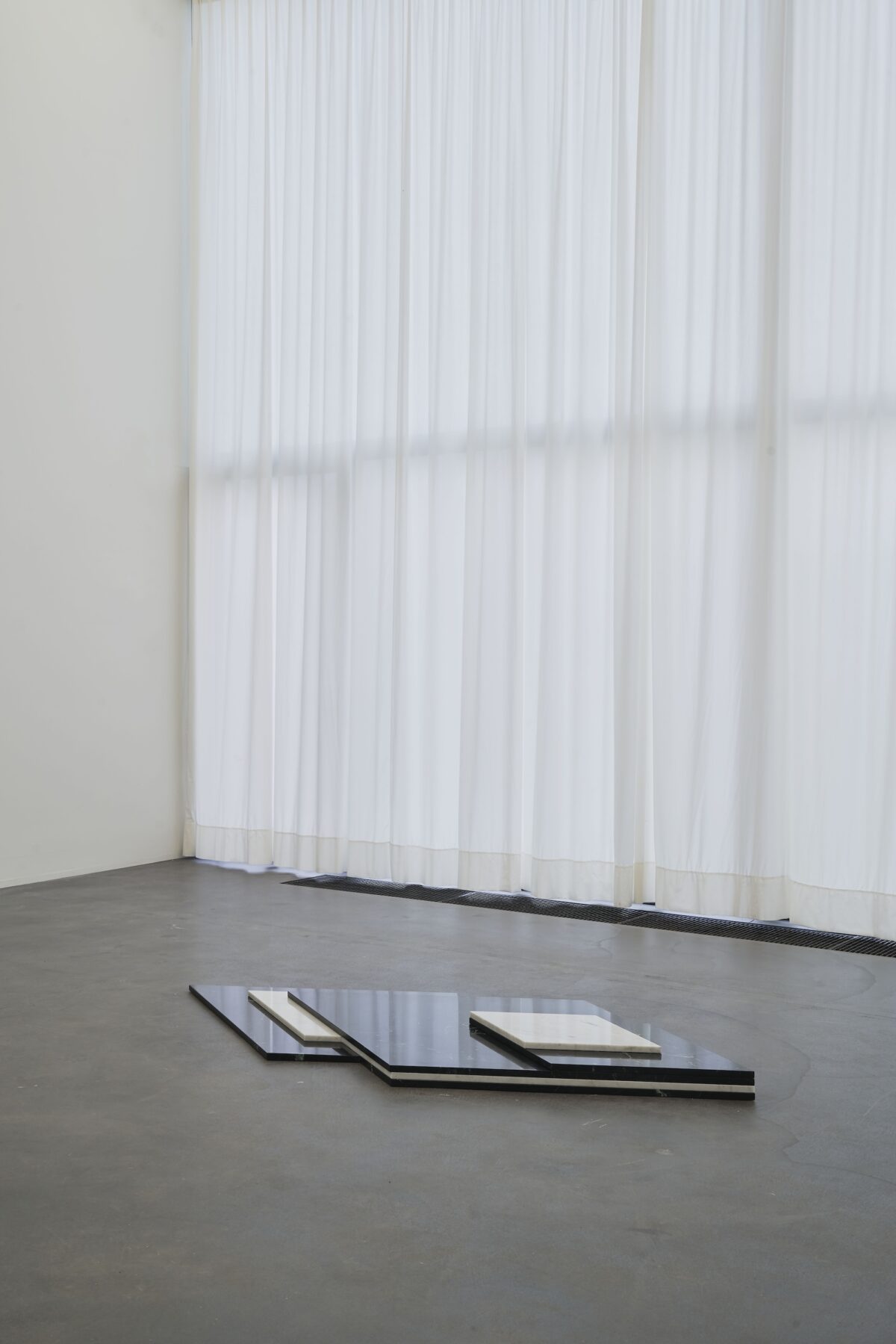
Space, too, plays a leading role. Dujourie’s works do not occupy the architecture, but activate it. The visitor becomes aware of their own body: distance, movement, proximity and duration. Looking becomes a physical experience.
In this oeuvre, time itself seems to be the subject. Not the time of the event, but the time of waiting. The French philosopher, political activist and mystic Simone Weil describes waiting as a particular form of radical attention: an openness to what cannot be forced. Dujourie’s work, too, does not call for a quick interpretation, but asks us to look attentively, without the immediate desire to ‘know’ or ‘appropriate’. Meaning unfolds slowly, in the encounter between work, space and viewer.