


5. Eerste eigen woning van Roger Raveel
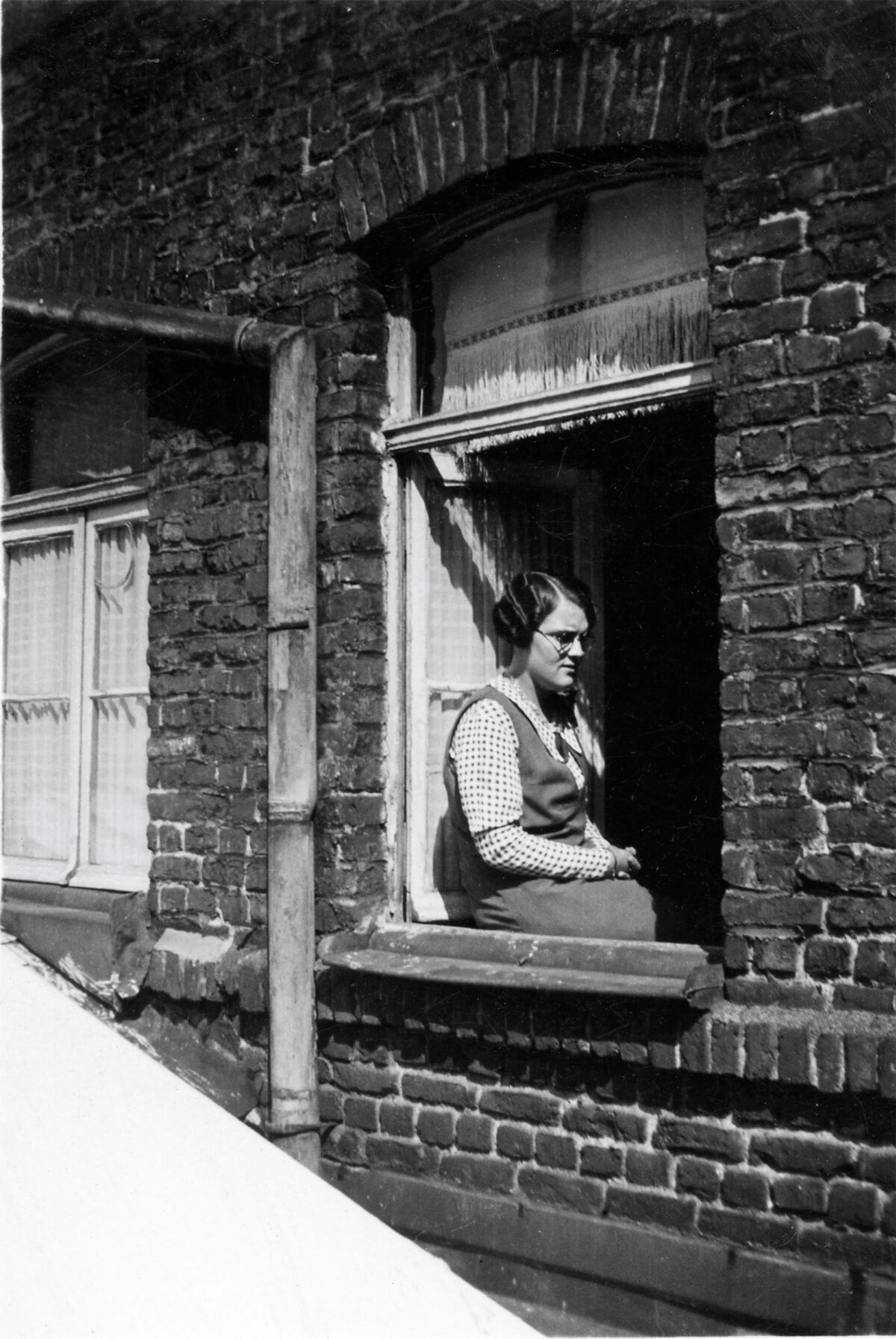
In de Petegemstraat nummer 33 bevindt zich de eerste eigen woning van Roger Raveel.
In het begin van de jaren 1940 woont hij hier met zijn moeder Bertha, zijn vader Gustaaf en zijn broer Germain.
In de loop van de Tweede Wereldoorlog steekt Raveels buurmeisje Zulma De Nijs een handje toe in het huishouden. Ze draagt ook zorg voor zijn moeder, die ernstig ziek is. Zij overlijdt in 1946.
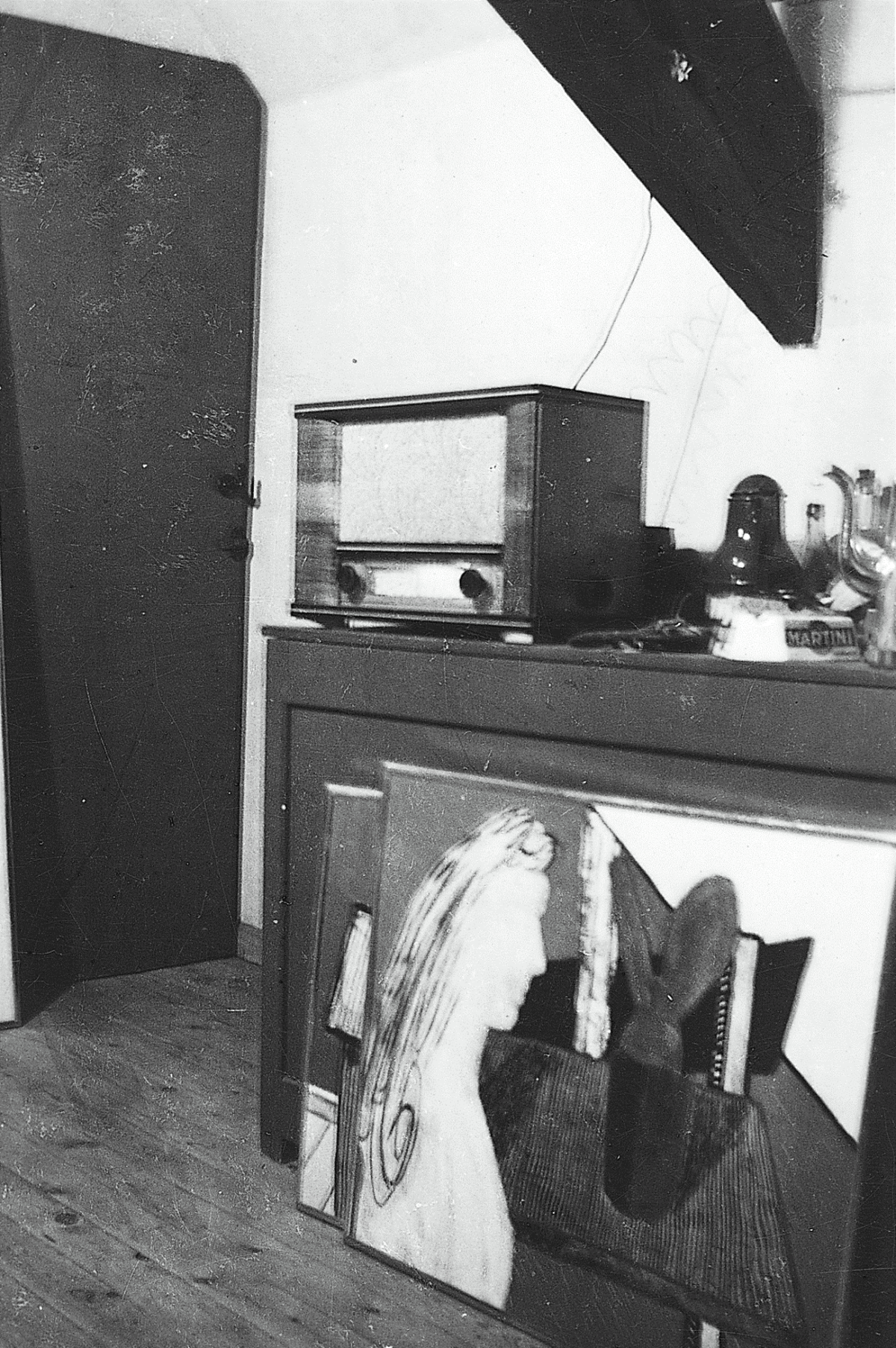
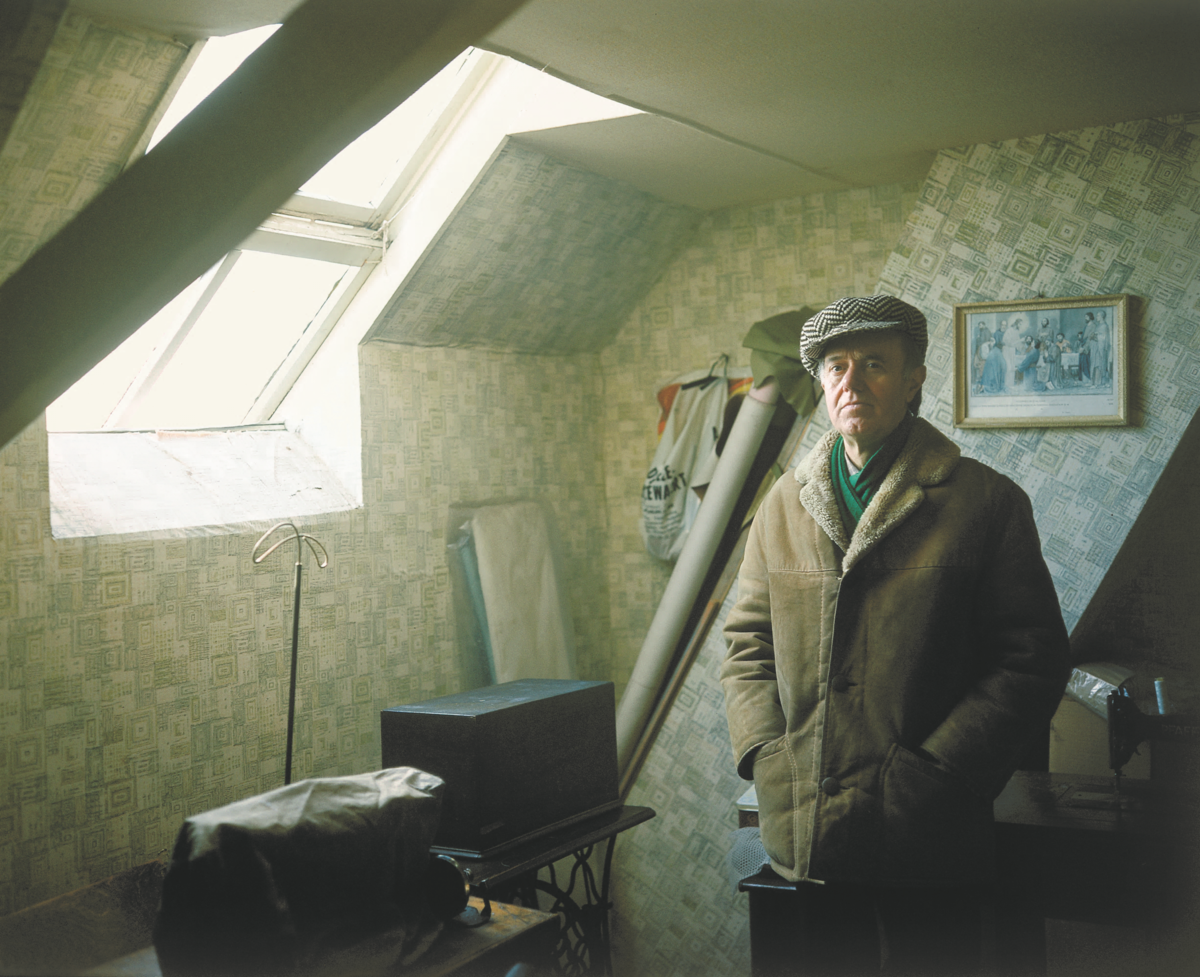
1946 is een sleuteljaar voor de jonge Raveel: hij bezoekt de overzichtstentoonstelling van Vincent van Gogh in het Paleis voor Schone Kunsten in Brussel, die een diepe indruk op hem nalaat. In datzelfde jaar ontmoet hij via de bevriende schilder Antoon De Clerck de toen zestienjarige Hugo Claus. Claus zal Raveel later in literaire en artistieke kringen introduceren. Via hem maakt hij kennis met Cobra-kunstenaars als Karel Appel en Corneille. Zowel Hugo Claus als Karel Appel komen hier vaak op bezoek. Ze logeren op het zolderkamertje waar vader Gustaaf voor Roger een eenvoudig schildersatelier heeft ingericht.
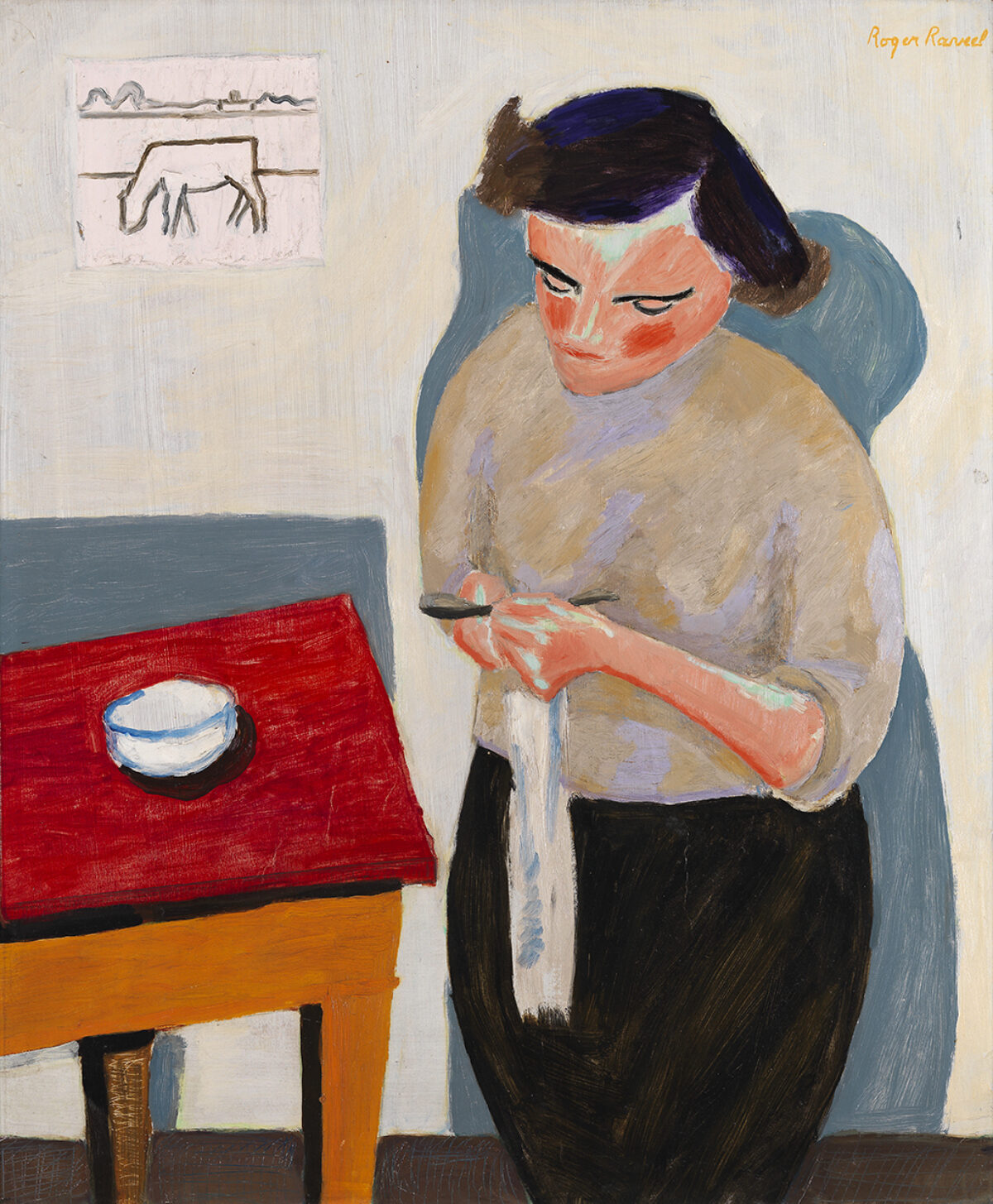
Ondertussen hebben Roger en Zulma een relatie, en daar is Zulma’s vader aanvankelijk niet zo tevreden over. Hij vindt kunstenaars vooral ‘leeglopers’. Maar toch trouwt Zulma in 1948 met Roger. Ze trekken in deze woning, en wonen er samen met Rogers vader Gustaaf. Zulma baat er een winkeltje uit waar ze alcoholische dranken verkoopt. Daarnaast is ze ook een begenadigd naaister, en maakt of herstelt ze kleding voor dorpsgenoten. Zo zorgt ze voor de kost. Dat geeft Roger de ruimte om volop te experimenteren in het schilderen en het tekenen. Zo ontwikkelt hij zijn eigen beeldtaal.
Met haar neus voor zaken wordt Zulma al snel Rogers ‘manager’. Hoewel Raveel in die jaren nog niets verkoopt, sluit ze een slimme deal met kunstverzamelaar André Goeminne die de eerste grootwarenhuizen runde in de streek. Hij mag af en toe een schilderij kiezen in ruil voor voedsel en drank. Zo overleeft het koppel in de armoedige jaren na de oorlog.
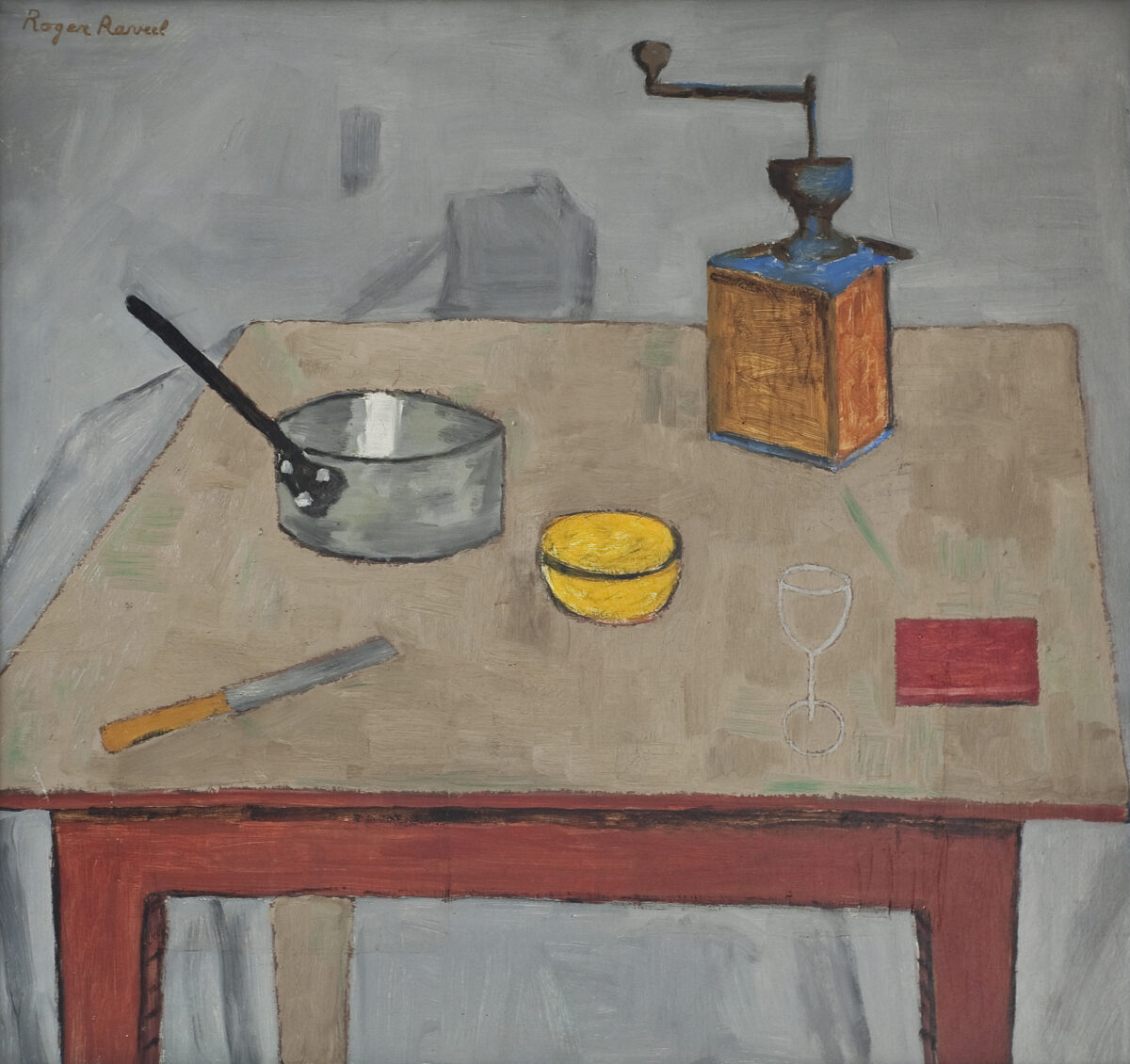
Wie dit bescheiden rijhuis vandaag ziet, kan zich moeilijk voorstellen welk vernieuwend werk er gemaakt is. Toch ligt hier de kiem van Raveels oeuvre. In 1948 vernietigt Roger veel van zijn academische werken en begint hij helemaal opnieuw. Hij beslist af te beelden wat hij ziet door aandachtig naar de werkelijkheid te kijken en de essentie van vormen, voorwerpen, figuren, het landschap, de huizen te vatten.
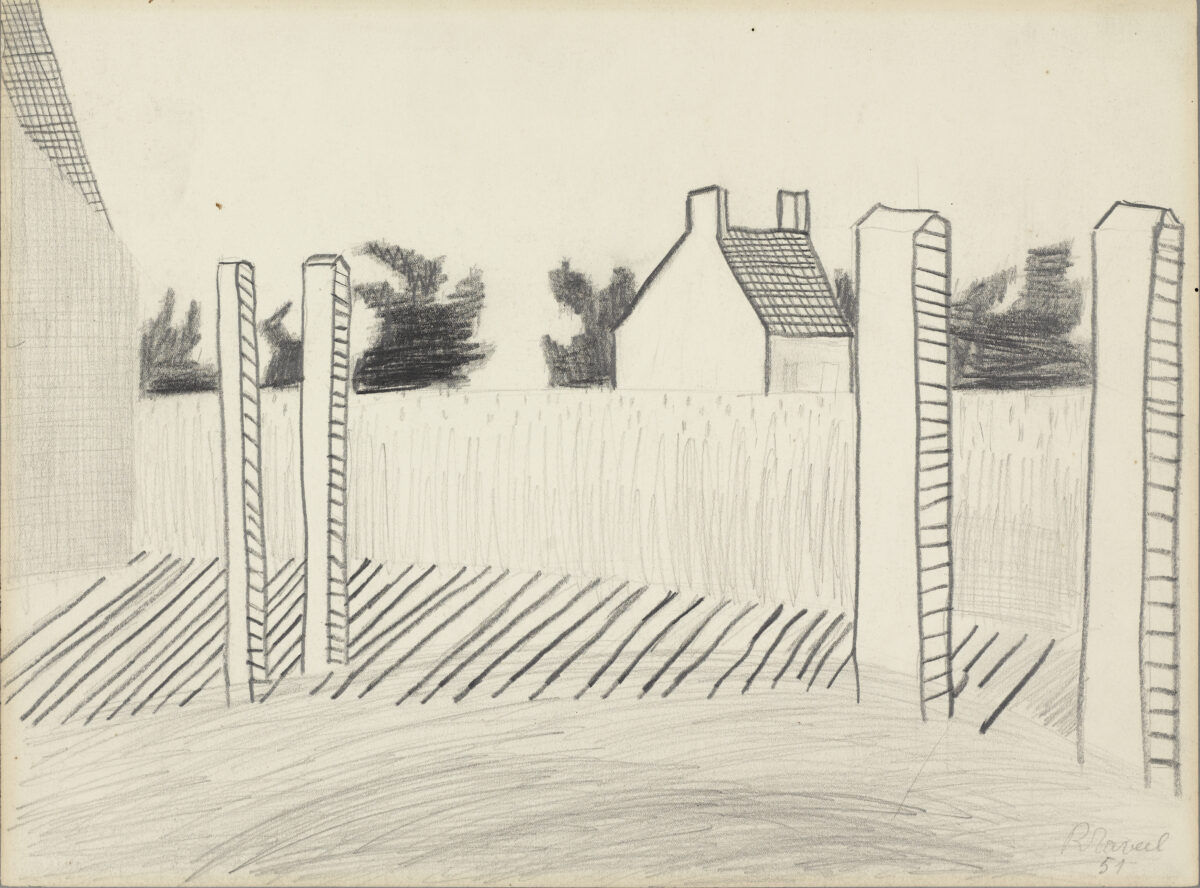
Op dit zoldertje schildert hij meesterwerken als Huiselijkheid (1948), Gele man met karretje (1952) en Man met ijzerdraad in tuin (1953). Ook Voetbalveld (1952) is hier ontstaan: een groot schilderij met krachtige kleuren opgebouwd uit vele verticale elementen. Het voetbalveld waar hij op uitkeek vanuit het zolderkamertje diende als inspiratie. We passeren er straks nog.